
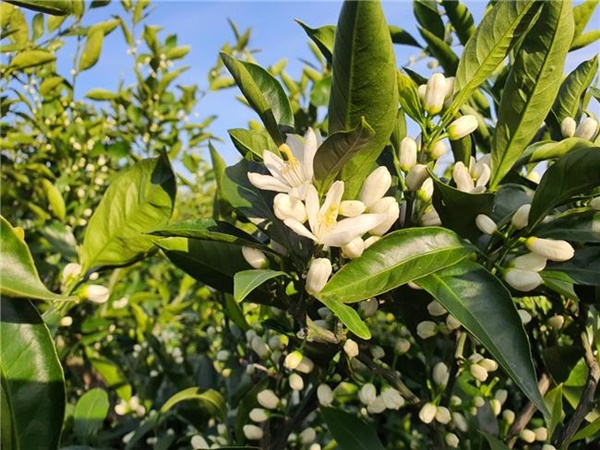
As the first of May arrives, Jeju tangerine blossoms scent the air, days stretch longer and the northern hemisphere begins its gentle shift toward summer. Across history, this seasonal change has meant more than just warmer weather – it’s been a moment to pause, to celebrate and to explore life’s rhythms through story, song and tradition.
While May Day isn’t widely celebrated in Korea, it’s observed in many fascinating ways around the world. At first glance, these traditions might seem completely different. But if we dig a little deeper – something NLCS Jeju students are great at – we notice a common thread: the human need to see patterns, to feel part of something larger and to connect – with nature, with time and with each other.
A Few Unique May Day celebrations
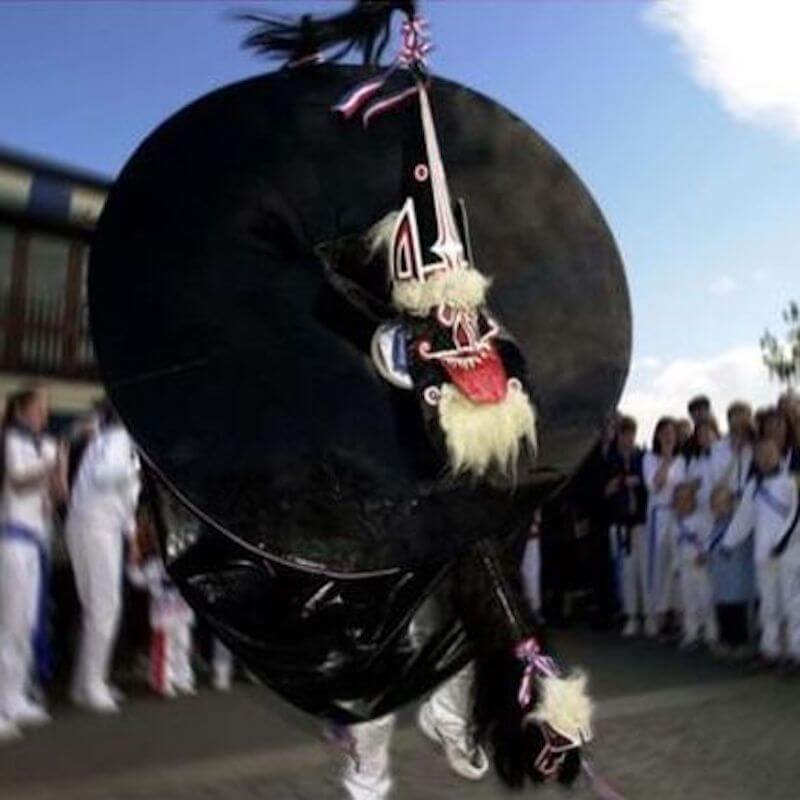
Padstow, England – The Dancing ‘Obby ‘Oss
In the small fishing village of Padstow in Cornwall, England, May Day means the arrival of the ‘Obby ‘Oss. This mysterious creature – a black costume with a snapping mouth and trailing ribbons – dances through the streets all day, led by singers and drummers. No one’s sure where the tradition comes from. Is it a symbol of spring? A story about fertility? For locals, it’s about continuity – celebrating life and community year after year.
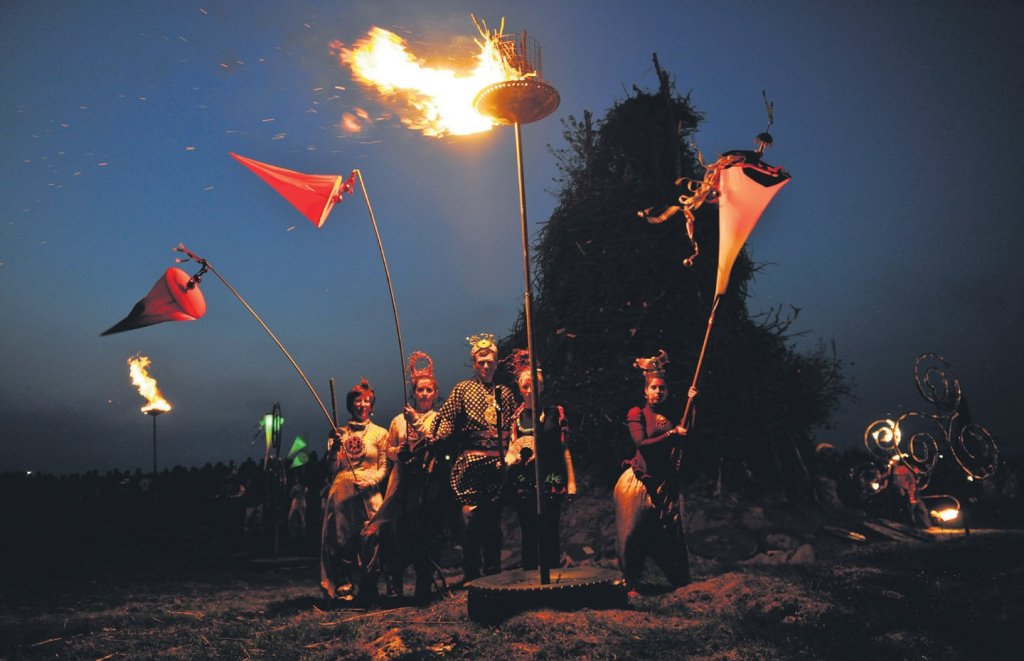
Bealtaine, Ireland – Fire and Fertility
In ancient Ireland, Bealtaine marked the beginning of summer with giant, hilltop bonfires. People jumped over flames for luck and cattle were herded between fires to protect them. Today, Bealtaine is still celebrated with art, music, dance and firelight – modern echoes of an age-old instinct to honour life’s renewal.

Bali, Indonesia – Tumpek Uduh: Blessing the Trees
Tumpek Uduh happens every 210 days based on the Balinese calendar. On this day, people give thanks to trees – especially fruit-bearing ones. Offerings are placed on trunks and gentle prayers are spoken to the leaves. It’s a beautiful reminder of how dependent we are on nature and how gratitude can shape our actions.
Japan – Golden Week and Nature’s Pause
May 1 falls during Golden Week – a cluster of holidays like Showa Day, Constitution Day and Children’s Day. Families often travel, relax or get outdoors into nature. It’s a break from the busy world and a moment to reset, much like May Day traditions elsewhere.


Korea – From Ipchun to Labor Day
May 1 is recognised as Labor Day, mostly by workers’ unions. But traditional culture also includes Ipchun (입춘), the “start of spring” according to the lunar calendar. Families used to place calligraphy poems or wishes on their doors to invite good fortune. Even though many of these customs aren’t widely practiced today, they’re still part of our cultural memory – reflecting a strong connection to nature and renewal.
Old Myths, Modern Science
What’s amazing is that all these traditions developed long before we understood the science behind them. People didn’t know about the Earth’s tilt or orbit – but they noticed patterns. Fire brought light. Flowers meant rebirth. Stories helped explain the world.
Today, we use tools like satellite data and telescopes but in many ways, we’re still asking the same questions:
- Why does the world change?
- How are we connected to it?
- Where do we belong in it all?
A Shared Human Story
So as May Day arrives here on Jeju Island, where do we see ourselves in these global traditions? Maybe in the tangerine blossoms of Seogwipo. Maybe in the first barefoot step onto warm grass. Or maybe in a quiet moment, reading about these stories on a library shelf.
Wherever we are, we all come from communities that pause to notice the changing Earth. We celebrate differently – but the feeling underneath is the same. And that shared human story? That’s something worth noticing, cherishing and passing on.
 NLCS Jeju Libraries
Leave a comment