
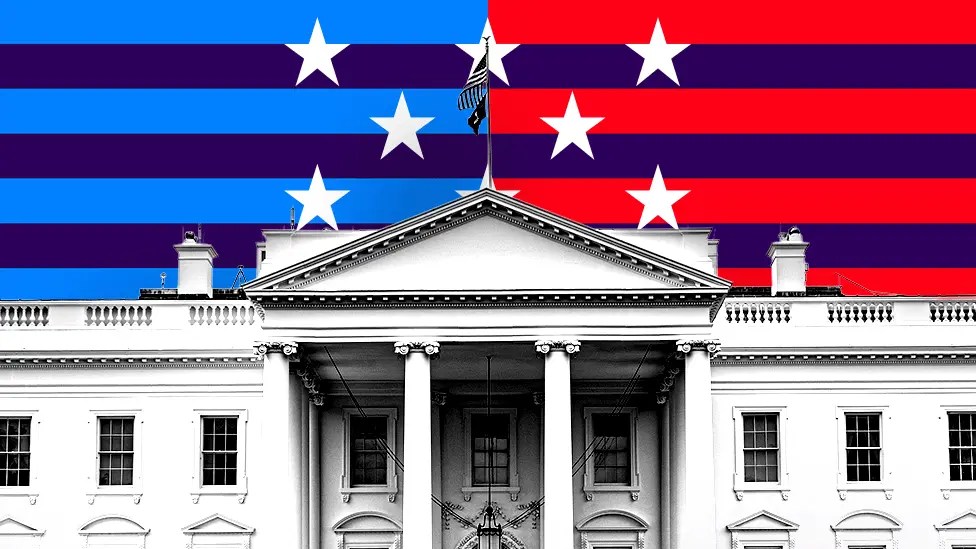
As the United States approaches the 2024 presidential election (Tuesday, November 5, 2024), it’s crucial to understand the complex forces shaping American democracy and politics. With ongoing debates about identity, economic inequality, global influence and democratic principles, the upcoming election demands informed engagement from voters. Our Senior School library display brings together essential books that cover these themes, offering readers comprehensive resources to explore the history, theories and dynamics of the American political landscape.
Books to Help Make Sense of the Issues

1. On Democracy and Political Systems
“How Democracy Ends” by David Runciman examines the pressures modern democracies face, from populism to technological disruption. This book is a must-read for anyone curious about how resilient democracy truly is.
“Democracy for Realists” by Christopher Achen and Larry Bartels challenges traditional ideas of democracy, questioning whether voter choices are truly rational and driven by policy or by personal biases and loyalties.
“The Deficit Myth” by Stephanie Kelton offers a fresh perspective on government spending and debt, discussing how Modern Monetary Theory could reshape economic policy and address inequality.
2. Understanding Voter Behavior and Political Psychology
“The Righteous Mind” by Jonathan Haidt delves into the psychology behind political beliefs, explaining why people with different values see the world so differently. This insight into moral reasoning can help foster empathy across the political divide.
“Predictably Irrational” by Dan Ariely is a fascinating exploration of how human behavior often defies logic, a useful read to understand the unpredictability of voters.
“You Are Not So Smart” by David McRaney highlights common cognitive biases, reminding readers that even the most informed citizens can be influenced by misinformation or emotional appeals.
3. Examining Power and Influence
“The Age of Walls” by Tim Marshall explores how physical and ideological barriers affect global politics, shedding light on isolationist tendencies that influence U.S. foreign policy and national identity.
“Rise to Globalism” by Stephen Ambrose and Douglas Brinkley offers a historical overview of U.S. foreign policy, helping readers understand America’s role on the world stage.
“Our Enemies and US” by Ido Oren details America’s complicated relationships with other nations, a timely read for those curious about foreign policy stances in the upcoming election.
4. Economic Inequality and Class Divides
“Capitalism: Can It Survive?” by Benjamin Rogge examines the sustainability of capitalism and addresses concerns over growing economic disparity.
“Sowing Crisis” by Rashid Khalidi explores the effects of U.S. foreign policy in the Middle East, offering insights into how economic and political decisions impact both international and domestic landscapes.
“The Wretched of the Earth” by Frantz Fanon, a classic on the psychological effects of colonization, is relevant for understanding ongoing struggles for equality within the U.S.
5. Media, Misinformation, and Public Discourse
“Thank You for Arguing” by Jay Heinrichs is a practical guide to rhetoric and persuasive language, offering tools for analyzing political debates and media messages.
“Is That Mic Off?” by Phil Mason looks at the public speaking skills of political figures, emphasising the role of rhetoric in shaping public opinion.
“The Lies My Teacher Told Me” by James Loewen challenges historical narratives taught in schools, urging readers to think critically about information sources – a valuable skill in an era of misinformation.
6. Social Identity and Civic Responsibility
“Looking Like the Enemy” by Mary Matsuda Gruenewald recounts the experience of Japanese Americans during WWII, reminding readers of the importance of civil liberties and the dangers of racial profiling.
“Going to Extremes” by Cass Sunstein explores how group polarisation can lead to radicalisation, a timely topic as political discourse becomes increasingly divisive.
“Our Enemies & US” by Ido Oren investigates America’s history of viewing others as threats, a perspective that often influences immigration and national security policies.
The display offers a diverse range of perspectives on the key issues defining the upcoming U.S. election. By understanding the historical context, psychological insights and economic theories presented in these books, readers can inform themselves about the mechanics of one of the world’s most influential democracies. Whether you’re looking to better understand your own beliefs or learn about opposing viewpoints, we encourage you to explore these titles and dive deeper into the political landscape shaping our world today.
 NLCS Jeju Libraries
Leave a comment